Blown-In Insulation Install Day: What Happens
On a blown-in insulation install day, our crew lays drop cloths to the attic hatch, runs a hose in from the truck, air seals the attic floor and sets baffles at the eaves, then blows the insulation to the depth rulers and checks the job with you before leaving.
On a blown-in insulation install day in Toronto, our crew arrives, lays drop cloths from your door to the attic hatch and runs a hose in from the truck. Sealing the attic floor and setting baffles at the eaves come first. Then we blow the insulation up to the depth rulers, and we read those rulers with you at the end. Below is each step of blown-in insulation work in the order it happens, so you know what you'll see and what should be on the invoice.
Before the crew arrives
Preparing your attic for insulation is mostly about the route to it, not the attic itself. We need a clear walk from the front door to the hatch, and somewhere to park the truck near the house, since the hose runs from the machine on the truck. Go through this list the morning before:
- Clear a path to the hatch: move rugs, side tables and anything fragile out of the hallway and out of the room under the hatch.
- Empty the closet if the hatch is in one: clothes, boxes on the floor, whatever is on the shelf. A ladder has to fit in there, and the drop cloths have to go down.
- Move cars so the truck can park close: a short run from the driveway keeps the hose off your walkway and away from the door.
- Keep pets in another room: the front door opens a lot, and the hose lies across the floor while we work.
- Tell us about anything stored in the attic: boxes, a hatch that's been painted shut, wiring you already know about. Stored things have to come down before the day. If they don't, they get buried under the insulation.
Tarps, hose and the open hatch
The first thing you'll see is drop cloths going down from the entry to the attic hatch. They cover the path and the floor right under the hatch, because that's where dust falls once the hatch is open. If the hatch is in a closet, the cloths go in there too.
The blowing machine stays out on the truck. One of us loads bags into its hopper, and the machine pushes the loose material down a long hose. The hose comes from the truck, in through the door, along the drop cloths and up to the hatch. Where it crosses a threshold we tape it down so nobody trips.
Sealing and baffles first
Air sealing and baffles go in before any insulation, because once loose fill covers the attic floor, nobody can get at the gaps underneath. We seal the openings where warm air from the house leaks up: along the top plates of interior walls, and around plumbing stacks, wires and light boxes where they come through. Loose insulation slows heat down, but air still moves through it, so we close the holes first.
Next come the baffles at the eaves. A baffle is a channel fastened between the rafters. It holds the insulation back from the soffit vents so outside air can still rise from the eaves into the space above the insulation. Skip the baffles and the blown material spills into the soffits and chokes off that airflow.
If we open the attic and find vermiculite, we stop and leave it alone. You'd want a qualified lab or abatement firm to test it before any work goes ahead. Old insulation that is wet or damaged by rodents comes out first, as a separate removal job listed on the quote.
Blowing the insulation
Blowing is a two-person job. One of us stays at the machine on the truck, feeding bags and setting the flow. The other is up in the attic with the hose, starting at the far corners and working back toward the hatch.
Before we start blowing, we staple depth rulers to the joists across the attic. They're marked so you can read the depth from the hatch afterwards. Whoever is on the hose fills the attic evenly, right out to the baffles at the eaves and tight around the hatch opening, so the edges end up as deep as the middle. When people picture blown-in insulation install day, this is usually the part they imagine. It only works because of the sealing and baffles that went in before it.
The material is either loose fibreglass or cellulose, and that choice is made on the quote, well before the day. The quote also gives the depth and the bag count. We keep track of the bags as they go through the machine, so you can hold the number on your invoice up against the quote.
Do you need to leave the house?
Usually not, for blown-in insulation. The dust stays in the attic and around the hatch, and the drop cloths catch what falls. Just keep the hatch area clear while we work, and keep kids and pets out of that room.
Spray foam is different: the work area stays closed off until the foam has cured, and our spray foam page explains how that works. If someone at home is worried about dust, mention it when you book and we'll work out the room under the hatch with you.
Checking the job before we leave
Before we pack up, walk through the job with us and look at these yourself:
- Rulers readable: from the hatch you can see the depth rulers on the joists and read where the insulation comes to.
- Insulation even: the surface looks level across the attic, with no dips along the walls or next to the hatch.
- Hatch insulated and weatherstripped: there's insulation fixed to the back of the hatch, and weatherstripping around the edge so it shuts tight.
- Baffles visible at the eaves: point a flashlight toward the edges and you should see the tops of the baffles above the insulation.
- Cleanup done: drop cloths up, hose out, and no loose material left in the closet or hallway.
- Invoice lists bag count and depth: both are written on it, so you can check them against the quote.
Related questions
Someone has to be there at the start to let us in and show us the hatch, and again at the end for the final check. In between, stay or head out, whichever suits you, since the work happens in the attic and at the truck. If you're a landlord, a tenant can give us access if that's easier.
Some dust falls at the open hatch, and the drop cloths under it and along the path catch it. Everything else stays up in the attic. At the end the hatch gets closed and weatherstripped, which shuts the attic off from the room again, and we clean up before we go.
Anything between your front door and the attic hatch, plus the contents of the closet if that's where the hatch is. Get cars off the driveway so the truck can park close, and bring down whatever is stored in the attic. If something can't be moved, let us know and we'll cover it.
Services
How we can help in Toronto
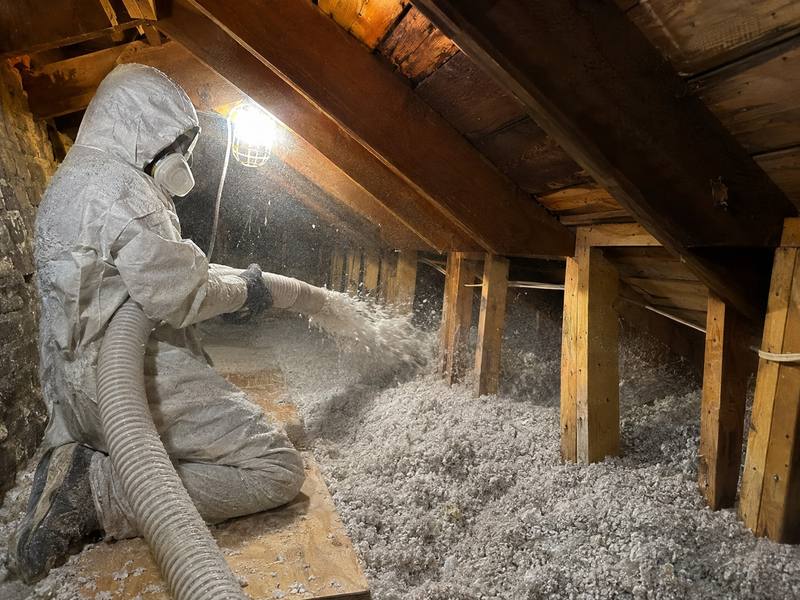
Blown-In Insulation
Loose fibreglass or cellulose blown onto your attic floor. We seal the gaps first and leave depth markers up so you can check the job.
Learn more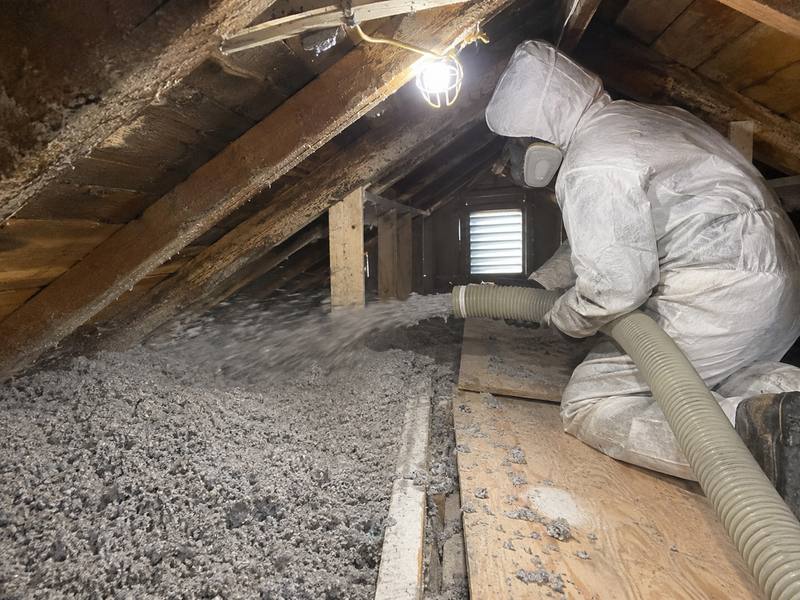
Cellulose Insulation
We seal the attic floor, then our own crew blows loose paper fibre over it, in west Toronto and York.
Learn more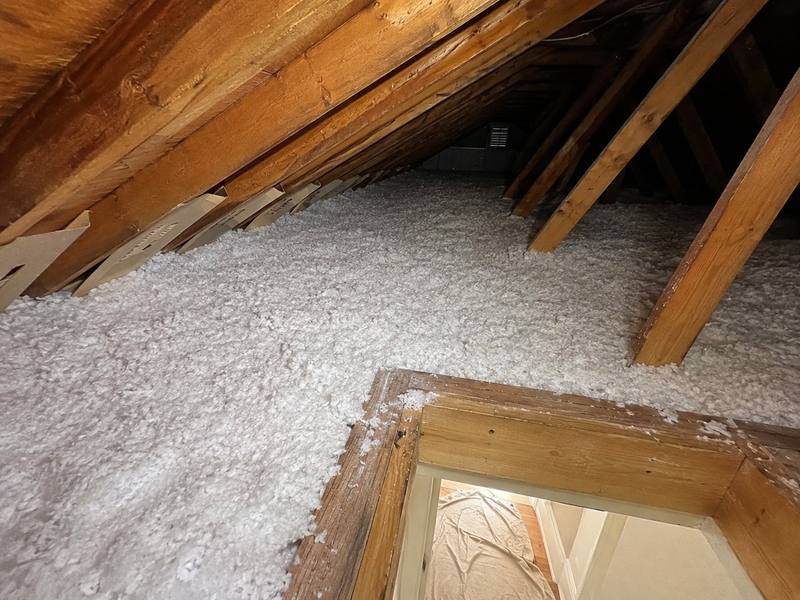
Attic Insulation Contractors
Our crew looks in the attic first, then seals the attic floor, sets baffles and insulates to a depth you can read from the hatch.
Learn more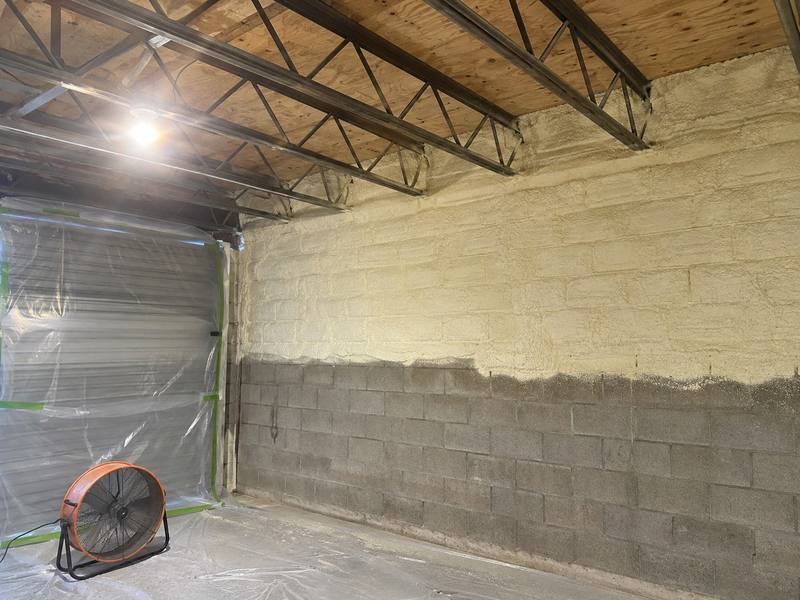
Spray Foam Contractors
We spray closed-cell and open-cell foam on rim joists, block walls and unit ceilings, then hang and finish the drywall over it ourselves.
Learn more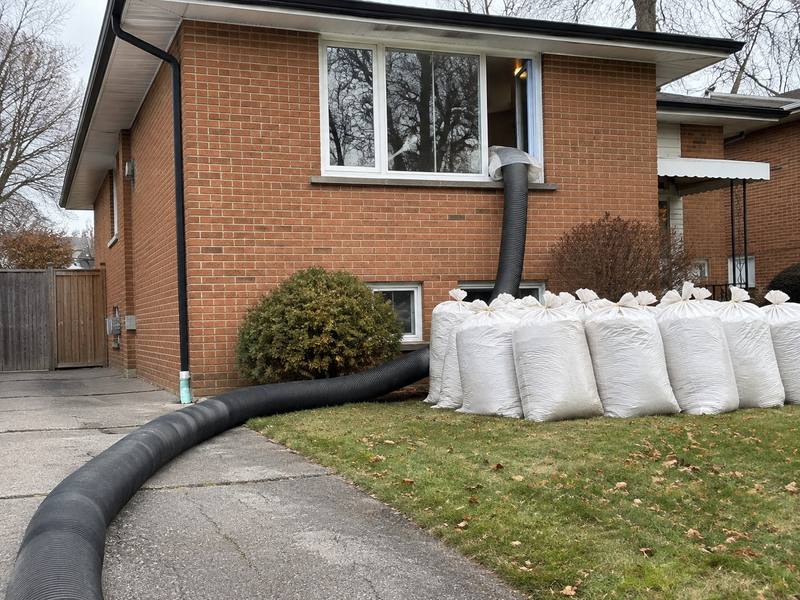
Insulation Removal
We vacuum out old, wet or rodent-damaged insulation, bag it and take it away with us, then put new insulation in.
Learn more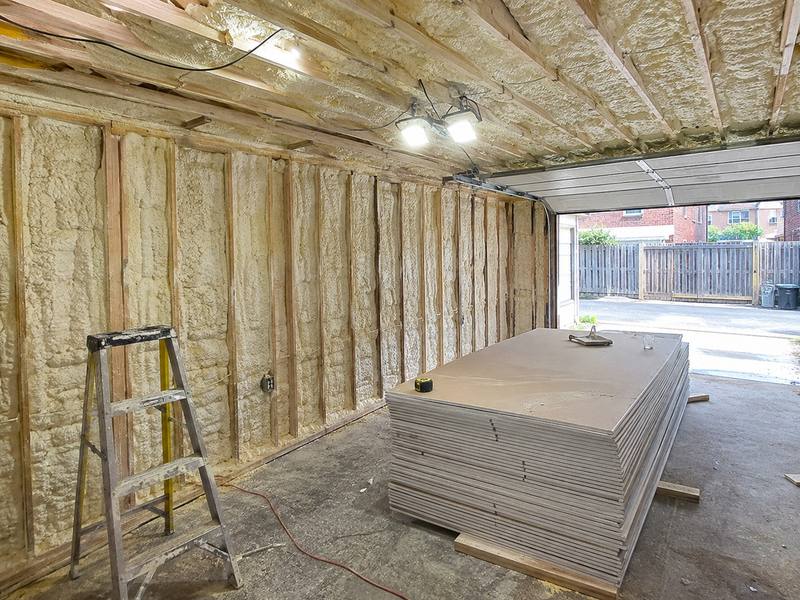
Garage Insulation
We insulate and air seal the garage ceiling and the wall your garage shares with the house. Then we hang and finish the drywall ourselves.
Learn more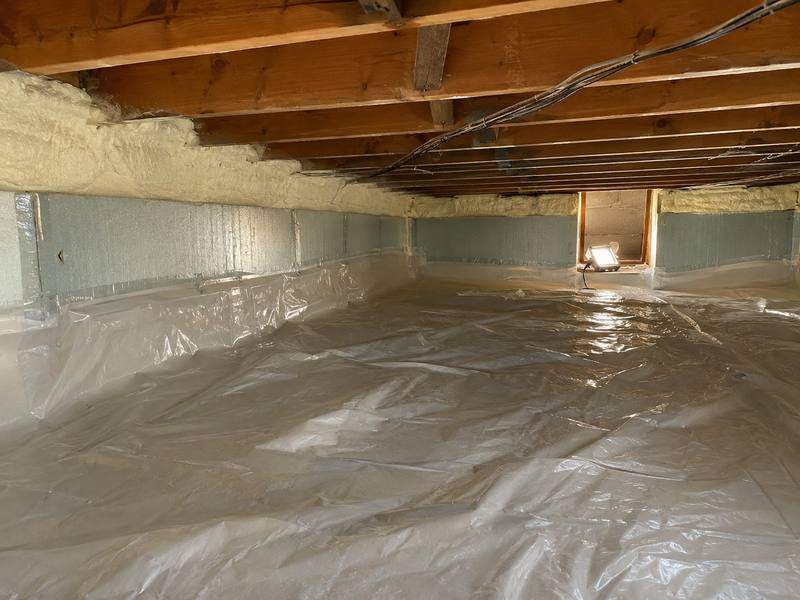
Crawl Space Insulation
We put a moisture barrier down on the ground first, then insulate either the walls or the floor above, whichever suits the space.
Learn more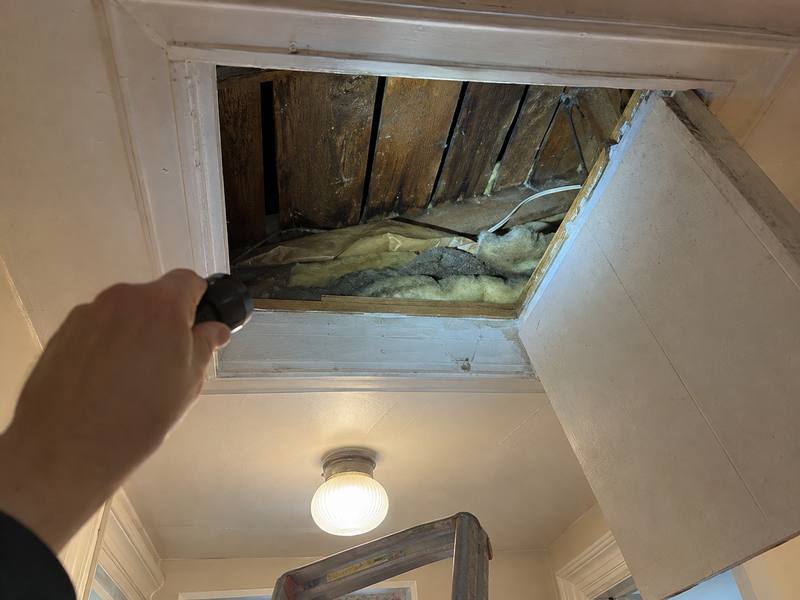
Insulation Rebates
Attic insulation can go through the program on its own. Other insulation goes through a home energy assessment. Our crew only does the install.
Learn more
Get a quote
Book an insulation quote in Toronto
Call (437) 563-1402 or send the form. We'll come and look at the space, go over the options with you and give you a firm quote.